 |
| Turtle Dove Streptopelia turtur |
 |
 |
 |
 This post is included in the WILD BIRD WEDNESDAY initiative by Stewart M and the blog Paying Ready Attention - Photo Gallery
|
| Turtle Dove Streptopelia turtur |
|
|
|
This post is included in the WILD BIRD WEDNESDAY initiative by Stewart M and the blog Paying Ready Attention - Photo Gallery
 |
| The male Broad-bodied libelula Libelula Depressa The day after I saw the female Libellula depressa, a male appeared, and as the female was still there, quite soon after the conjoined pair mated in mid air. Although I tried without success to follow them around, it was too difficult to photograph the act. I would not have thought it possible for them to mate whilst flying, ... but perhaps this is not as unusual as it seemed!! |
 |
The male waited around for a few days, but the female left as soon as the sexual act was consumated, and did not return. |
 |
"Still waiting" |
 |
As they are around from May to August, there is still a chance I'll see more of these small dragonflies this year, ...hope so!. |
 |
| A Juvenile Hoopoe Upupa epops |
 |
 |
 |
 |
 |
 |
 |
 |
This post is included in the WILD BIRD WEDNESDAY initiative by Stewart M and the blog Paying Ready Attention - Photo Gallery
 |
The female Broad-bodied libélula Libellula depressa The young male also looks like this female but the mature male is blue. I know this one is a female because I saw it mating.Although the female is classified as being brown, she was decidedly more yellow looking than brown, with lighter yellow markings down sides of her abdomen. |
 |
| This fast flying darter alighted on a garden marker, which is near the fish pond especially for this purpose. It attracts all kinds of dragonflies to it's warm wooden surface. She seemed to be waiting ( perhaps for a mate) and thankfully a male appeared the next day. As I took too many photos for one post, I will show you the male of the species on my next post. |
 |
| She left the marker only a few times to hunt, but always returned to the same place. She looked in my direction several times, but my close proximity didn't seem to bother her. I think she had other things on her mind!:)) |
 |
| Although I didn't noticed she may even have started her existence in the pond, as and they do prefere to breed in garden ponds or similar bodies of water. |
 |
Both the male and the female have very broad abdómens, and all wings are brown at the base. |
 |
The wing span is (76mm) and the length is 45 mm. It's not a large dragonfly but it's a pretty little thing, especially when the wings shimmer in the bright sunlight. |
 |
 |
 |
 |
 |
 |
 |
 |
 |
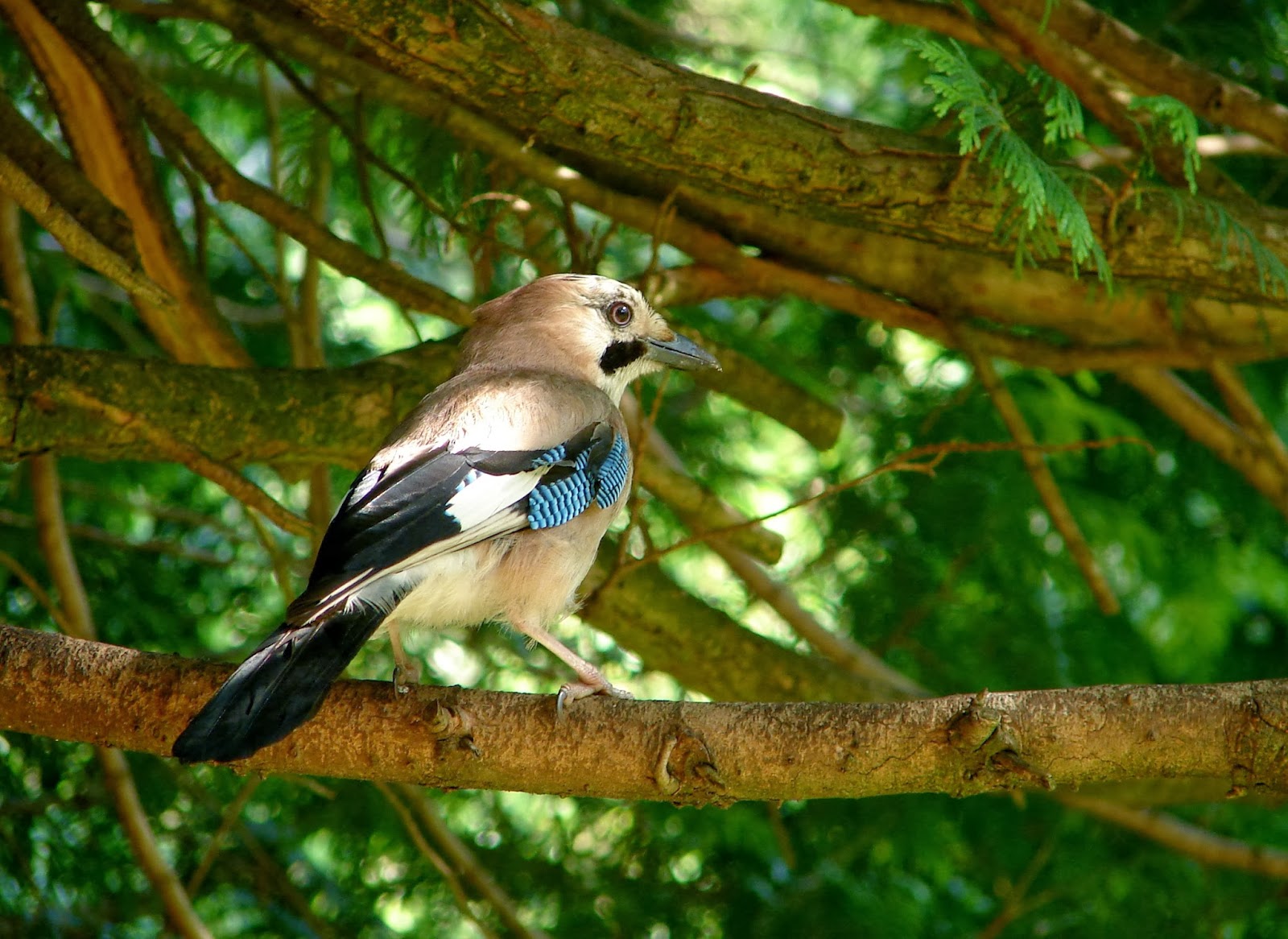
The Jays are back, and so am I! It's been a long and needed break, but it's good to be back, with the good news that my husband has improved. I probably won't answer all your comments as before, but I will visit everyone of my blogging friends who make a comment on my blog. So sorry about this, but I hope you will understand. |
This post is included in the WILD BIRD WEDNESDAY initiative by Stewart M and the blog Paying Ready Attention - Photo Gallery
 Dear Blogger friends, You may have noticed that my visits to you have become infrequent! It's entirely out of character for me to ignore your excellent blogs, but quite simply my life right now has become complicated, necessitating a break from blogging. So sorry to have taken this long to let you know that I will be taking an extended leave, but hope to resume blogging with renewed energy when "things" are better. I will miss you all.:)
 |
| The Avocet Recurvirostra avosetta |
 |
House Sparrow Passer domesticus |
 |
 |
 |
 |
 |
 |
 |
 |
 |
 |
 |
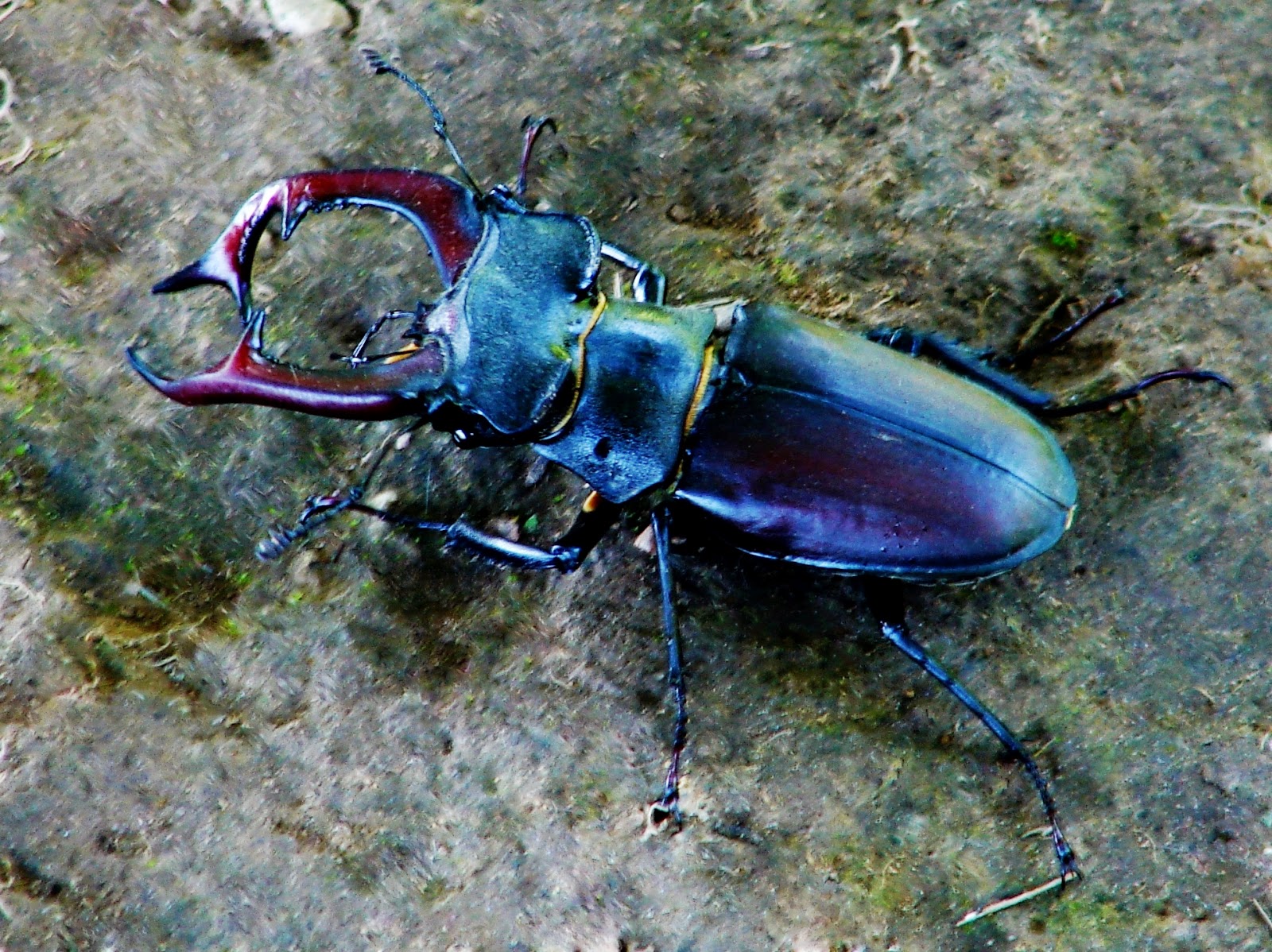
| The Stag Beetle Lucanus cervus |
 |
 |

