Tuesday, 21 February 2023

THE MOON January and February 2023

Looking out of the window on the  morning of January 7th, at 6. 30 I saw the moon shining brightly above the trees. It was still dark outside, but the moon inspired me to take a few pictures, something I have never had the inclination to do before, and I really don't know why, because it is the Earth's closest astronomical body, and so very important to us, as the moon influences life as we know it on earth.seeing as it makes the earth move, as well as the tides, and it's the brightest night object in the sky. The moon has inspired poets and lyricists to write beautiful poems and songs, and over century's it has been admired and worshipped, and now it's my turn to pay it homage with a few images because without it, humanity would struggle to survive.


January's moon is called the Wolf Moon. 

 l
The Wolf Moon, is the name that was given to the January moon by Medieval Europeans and Native Americans  as it is the time of year when wolves howl their loudest. This folklore has inseparably linked wolves with the moon, and to some extent it is true that wolves howl at the moon, but this is because wolves are nocturnal 


and they tend to howl upwards towards the sky to make the sound carry, but there is no scientific evidence that wolves howl more at a full moon, than any other moon. This photo was taken just an hour after my first attempt.


Folklore is a fascinating subject, but there is usually a logical explanation, as in this case. Wolves make more noise in January and February, as this is their breeding season, in both Europe and North America. Many of you will already know this, but this post is for those of you who don't.


TheWaxing Cresent Moon.Photo taken 24th of January.

The concept of moonlight, is nothing  but sunlight reflecting off the moons surface The Moon doesn't produce it's own light. The sun is actually the only source of light in the solar system. The Moon is Earths natural satellite. Moons are called natural Satellites because they orbit planets.

The moon is not only visible during the night, we can see it during the day. I very often see both the sun and the moon in the sky.The only phases that cannot be seen in the day, are the new moon, and the full moon.


February's first  "Snow Moon" of the year lit up the sky with it's brightness.
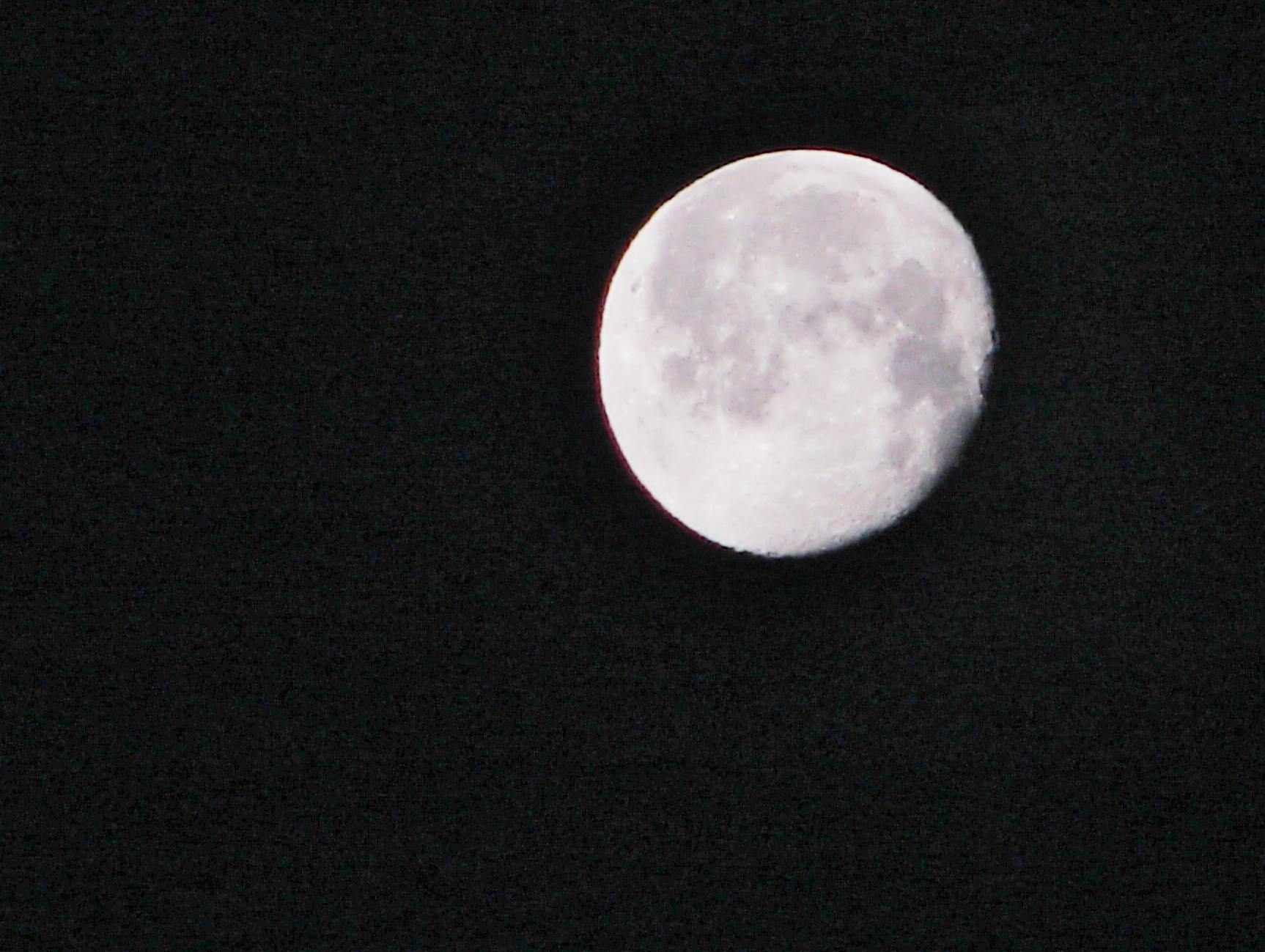


Photos taken on February 6th, This image was taken half hour after the one above. February's Full Moon is called the Snow Moon because February is associated with more snowfall. It's distance from Earth makes it a "micromoon" and the smallest full moon of 2023. It's an astrological term for the moon (New Moon or Full Moon) when it is the furthest away from Earth.

Have you ever stopped to wonder what would happen without the moon? Think about it, and let me know what you think would happen and in doing so perhaps you will also gain a new respect for what it means to our planet. 

Monday, 13 February 2023

HAPPY VALENTINE'S DAY 2023


HAPPY VALENTINE'S DAY.


"All you need is love la la la la la"


The 14th of February is a special day for lovers, loved ones young and old, and you can't have too much love in the world. I have had these shots for a long time, but couldn't post them until now, enjoy, and carry with you the love you see in these pictures all year round, and especially on Valentine's Day.


I was a little too eager to get a photo here.


That's better! :=)


A little Valentine.


Togetherness! :=)


A caring couple.


Contentment is sharing.

Wednesday, 8 February 2023

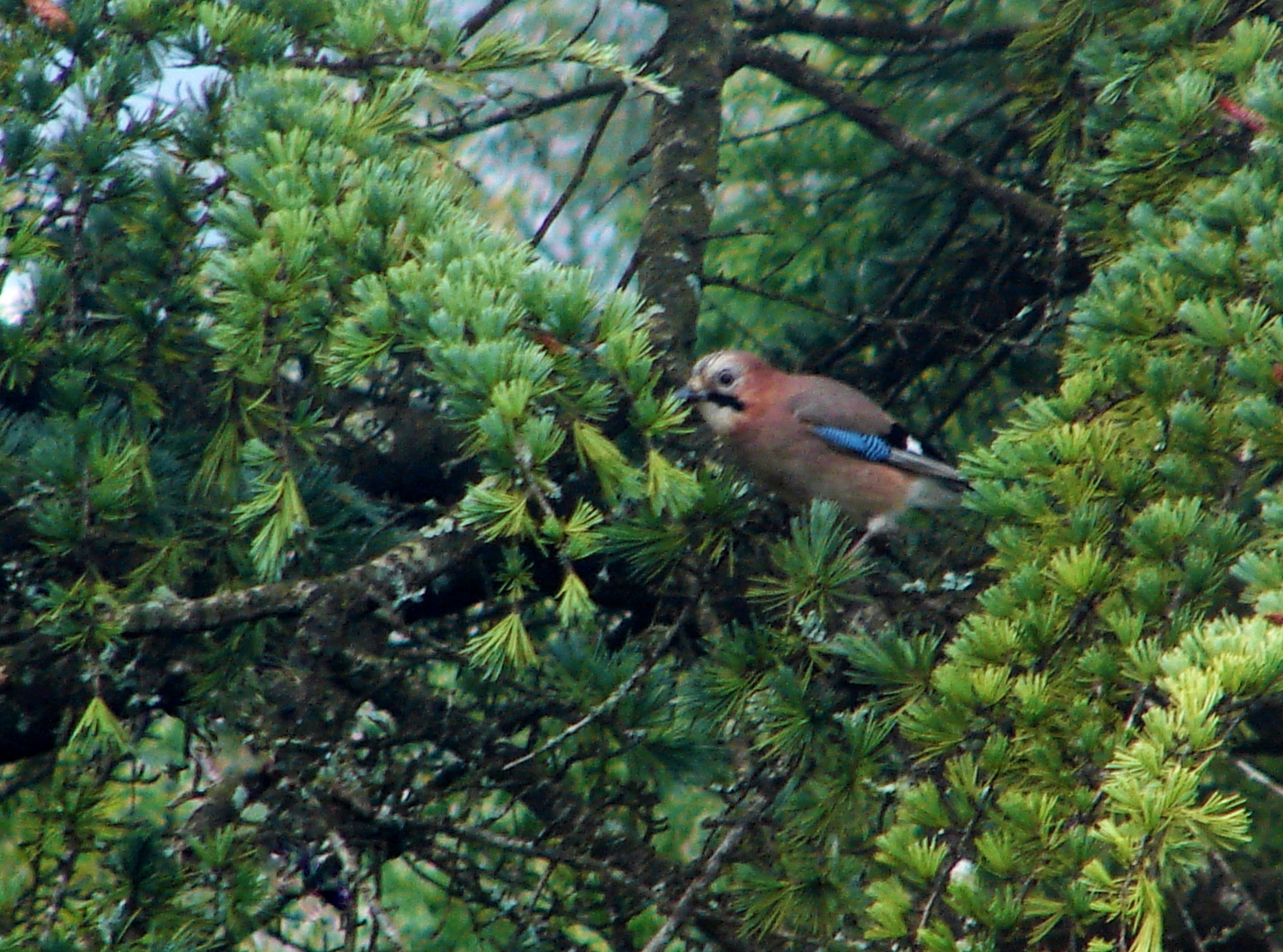
The EURASIAN JAY Garrulus Gariulus


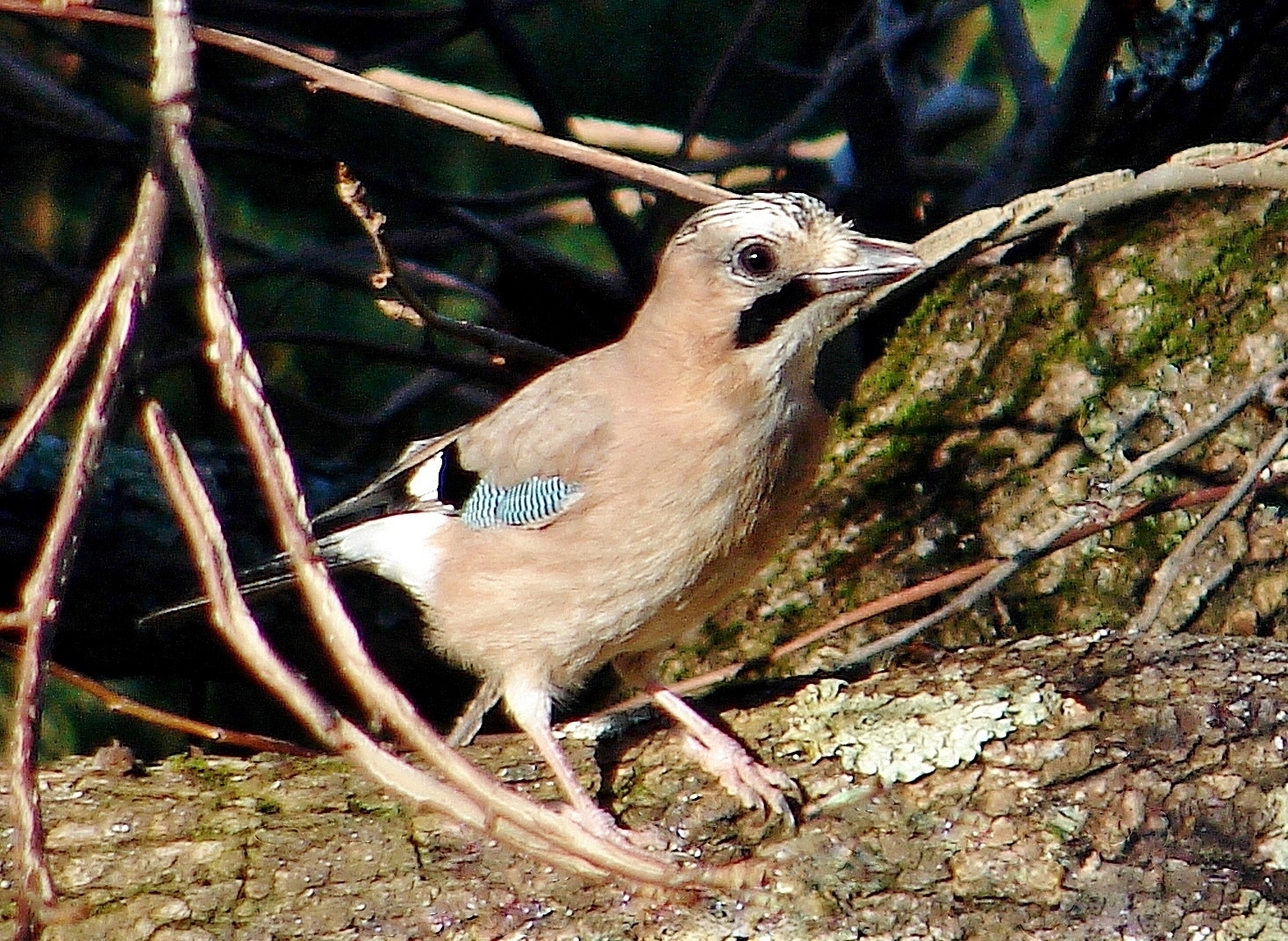
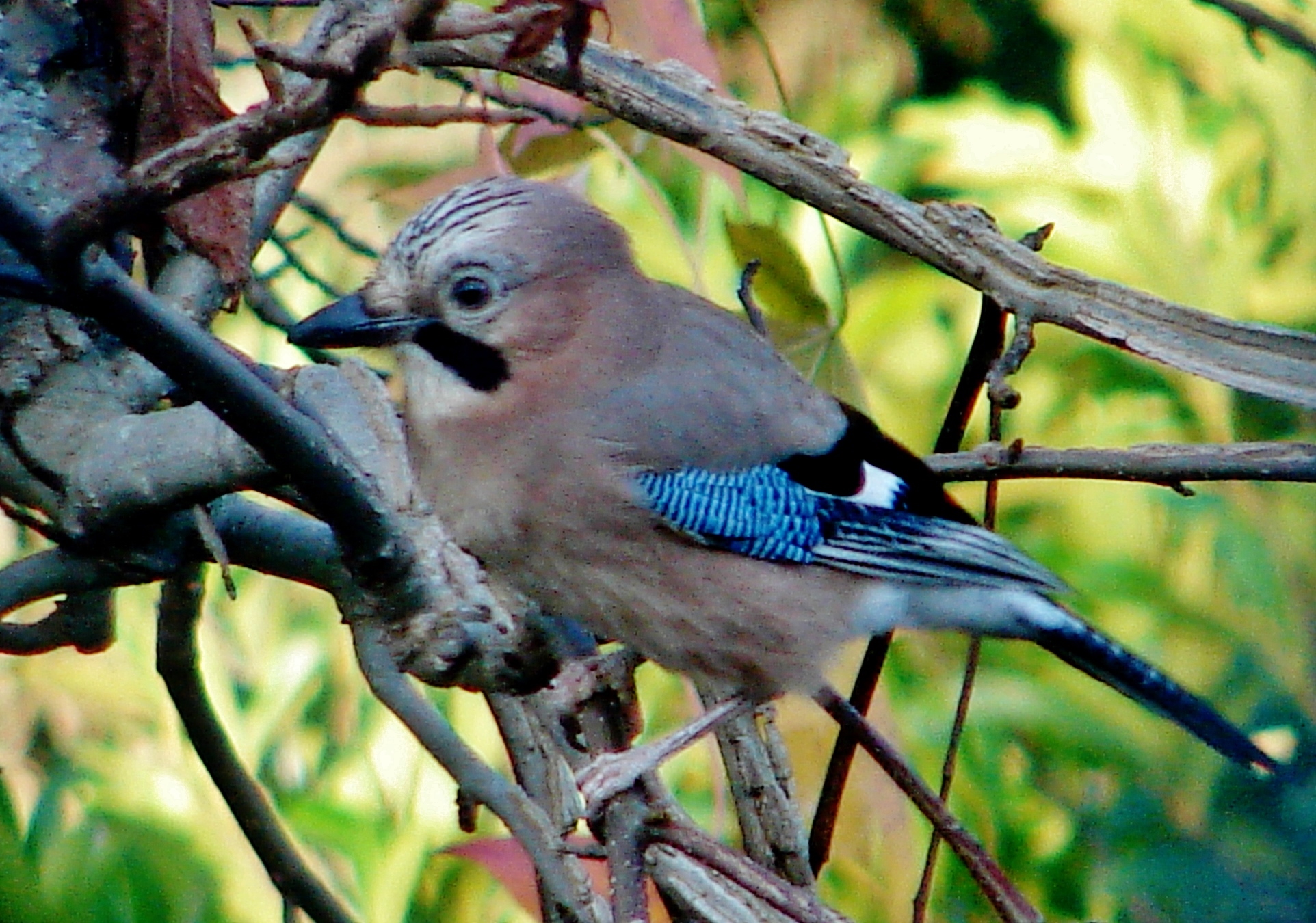
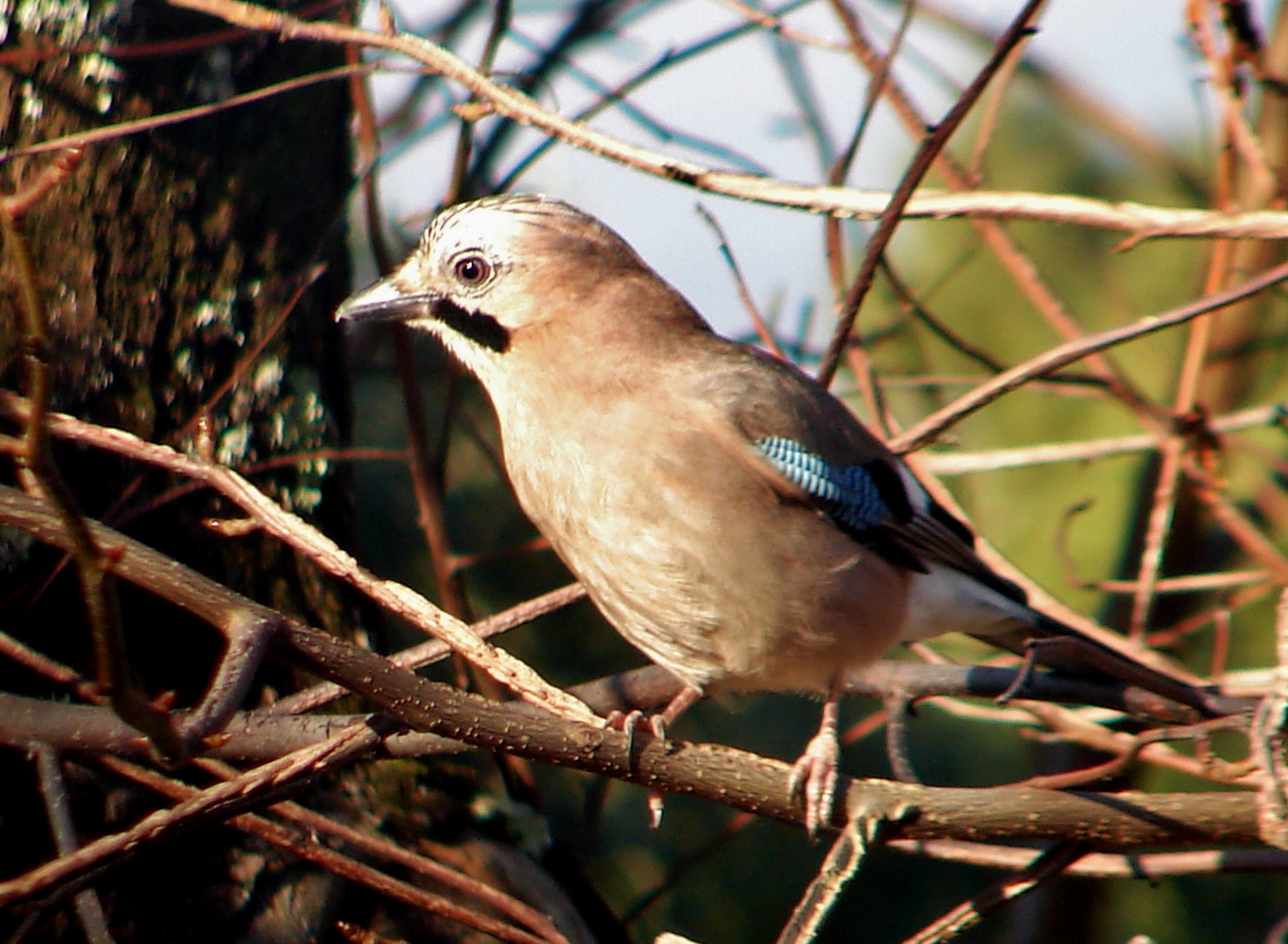
In Portugal Eurasian Jays are a protected species. This is because of the benefits that they bring to the ecology. In the autumn their main source of food is acorns and they cache thousands of this high protein food. A Jay can store as many as 5,000 acorns during autumn, what's more it remembers 75% of where they are hidden. Some of the remaining acorns germinate, therefore spreading the forest. The selection of Jay images were mostly taken in December 2021, and December of 2022 with just a few taken this year.
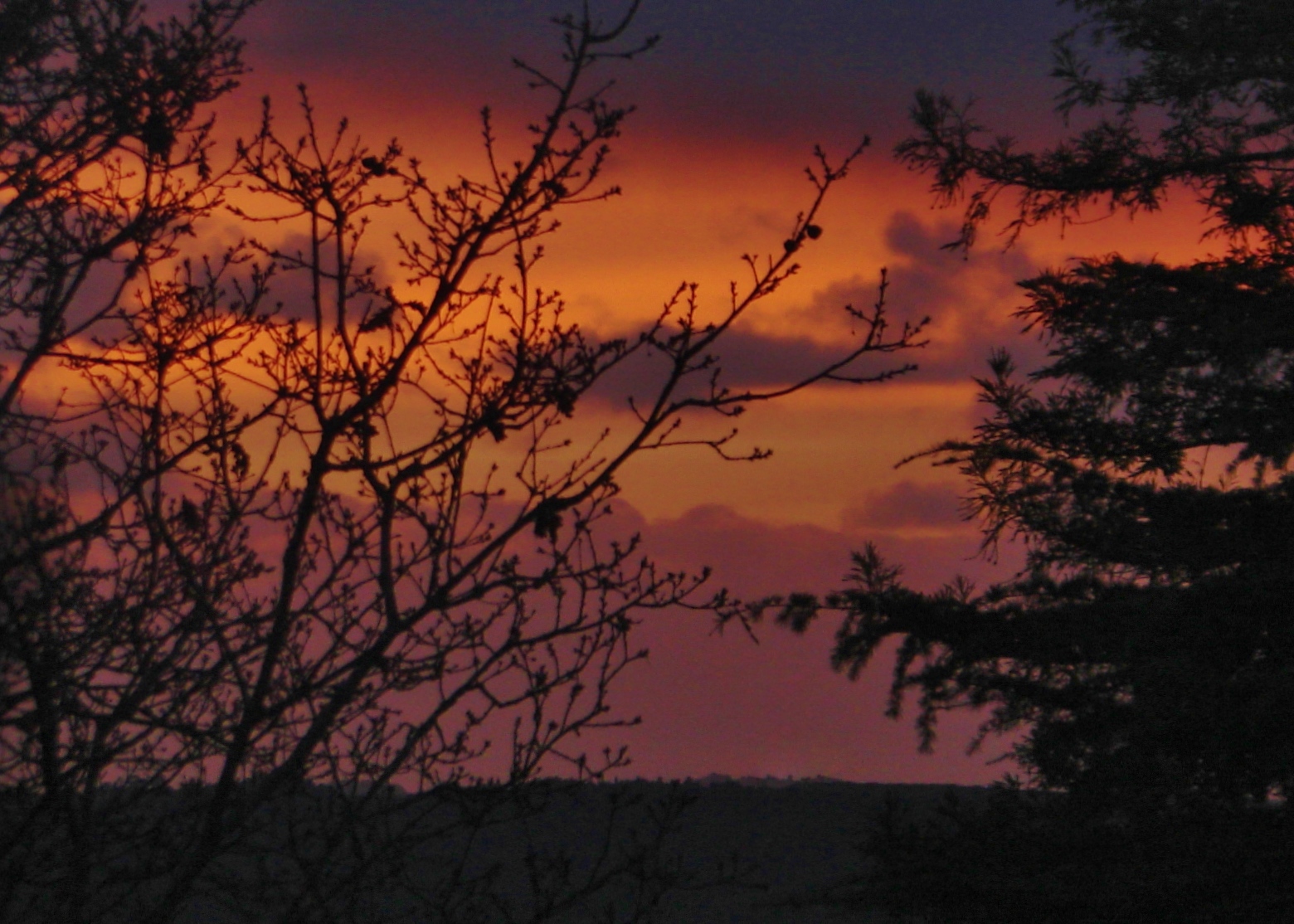


Early morning sky


The following images of Jays were taken in all kind of weather. Images in the sun, shade, and rain.


These shy sensitive birds are often heard rather than seen,


but there are many Eurasian Jays where I live, and many Oak trees so as long as I stay hidden as much as possible, and keep perfectly still, I'm able to get the odd photo opportunity which is always thrilling.

I cover my white hair with a scarf with muted colours, and wear a similar colour to my wooden shutters to camouflage myself whilst photographing. 


If I move my camera fractionally, they swiftly fly away,


They regularly do a fly-by on my balcony picking up a peanut on the wing.


Every morning I place peanuts in their shells all along the length of my balcony, and  the Jays are artists at picking them up on the wing,


When the Jays stop, they can pick up 6 -7 peanuts and carry them off in their crop, but unfortunately my balcony is in the shade until 1.30, so any photos I take are always dull in colour.


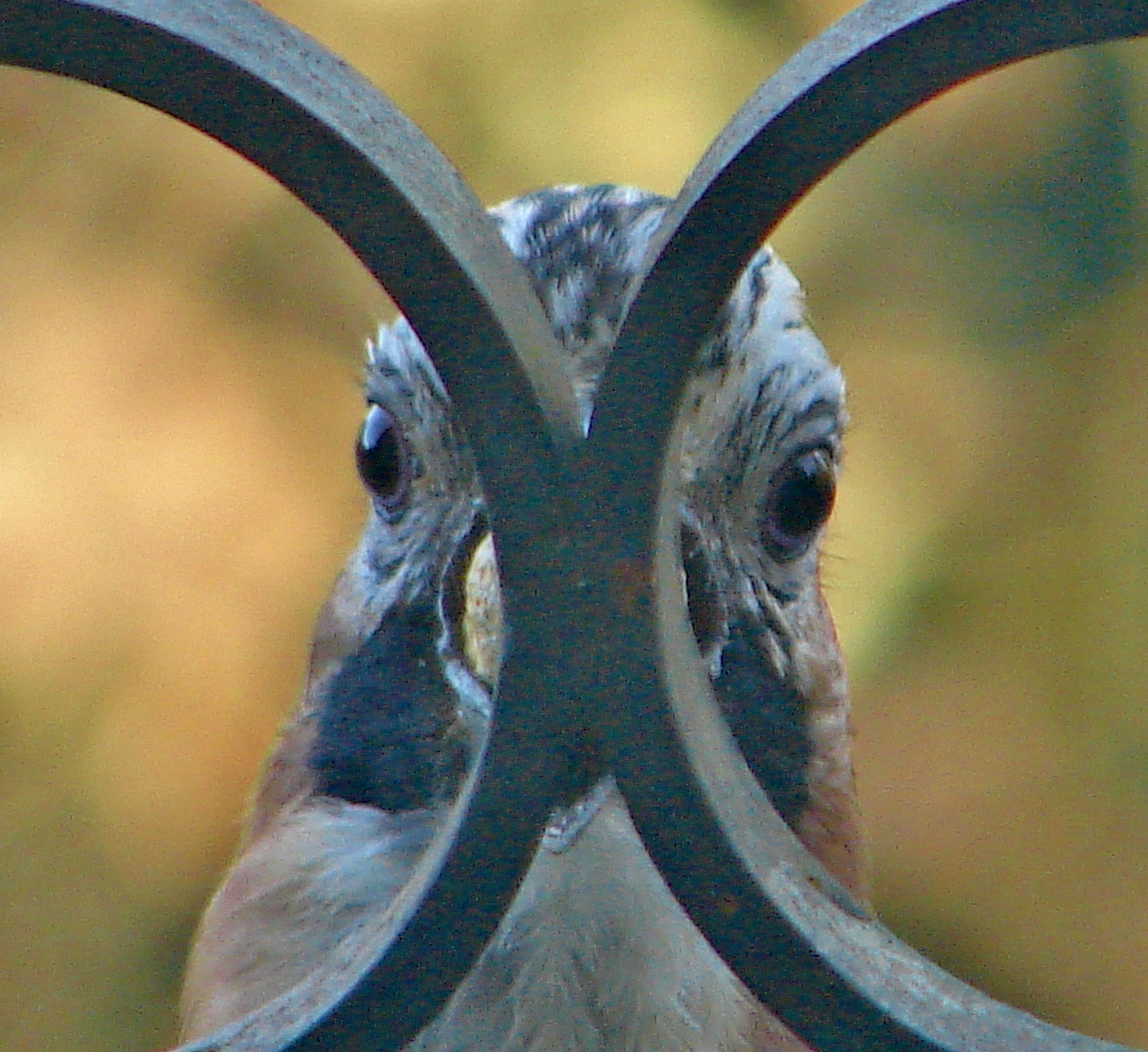
Ha Ha! I couldn't resist sharing this one, although it doesn't seem fair to this gorgeous creature to make fun of it, rather my inept photography skills and the railings are to blame.


 It's pinkish brown plumage and the bright blue panel on the upper wing, and black mustache and tail, make it a very attractive creature


They have spectacular eyesight and have a wide field of view as they can see in almost every direction so outwitting a Jay is quite a victory.


I shot this one from far away and was quite pleased with the outcome.


This Jay and the next one are one and the same. I think that in the next image the Jay saw me and it quickly took flight, but not before I managed to take these two photos.


A sideways shot shows off the jays beautiful blue feathers, for which they were once persecuted. Thank goodness that shooting
them is now illegal.


I took this shot yesterday.


Another shot of a Jay just before take off.


The Eurasian Jay brightens up a grey day.


Jays far away in the forest,


It's plumage stands out quite nicely amongst the greenery,


    especially on grey days, when the days are overcast.


This and the next images were taken recently.


This image was taken yesterday morning.

It has rained almost every day but we have had some bright colourful sunsets. Closing and sharing two of them with you.


Long after the setting of the sun, the sky is still colourful. All shots taken through my bedroom window.

Thursday, 2 February 2023

THE SULCATA TORTOISE ( Centrochelys sulcata )


To continue my visit to the reserve, I was glad of the extra warmth of my jacket but even so although it was pleasant to walk in the sun, it had grown quite chilly in the shade, so when Eva and I met each other in the Nature Reserve, I was ready for a hot drink and we both sampled a very large piece of chocolate cake which was home made and delicious.  It was considerably warmer in the tea room and once I had warmed up and felt rested, we decided to stay a while longer and made our way down hill to a part of the reserve I hadn't yet seen where there were large Sulcata Tortoise.Their impressive shells made me instantly attracted to them and I watched them slowly moving around pushing over a few branches in their way.They walk slowly to conserve energy, and are very strong.


It is also known as the African Spurred Tortoise


They originate from the deserts of Africa where they dig deep holes and long underground tunnels in the sand to retreat to during the hottest part of the day.


This is why their front limbs are strong and made for digging, as you can see. The Sulcata Tortoise is three feet in shell length, and they can reach 150 pounds. It's shell is part of it's skeleton, and permanently attached to the spine and rib cage. Tortoises can feel  pressure and pain through their shells, similarly to how you can feel pressure and pain through your finger nails.


When hatched they can fit into the palm of your hand, but it takes 15 years for them to reach full maturity, in part to their slow metabolism, and the fact that they don't spend energy keeping themselves warm. The wild Sulcata Tortoise lives to be 150 years old but in captivity 70 years old is its average lifespan. 


In the wild they are considered an endangered species because of habitat loss due to urbanisation, over grazing of live stock, and excessive collection of the Sulcata Tortoise to sell in the pet trade.
Related Posts Plugin for WordPress, Blogger...